

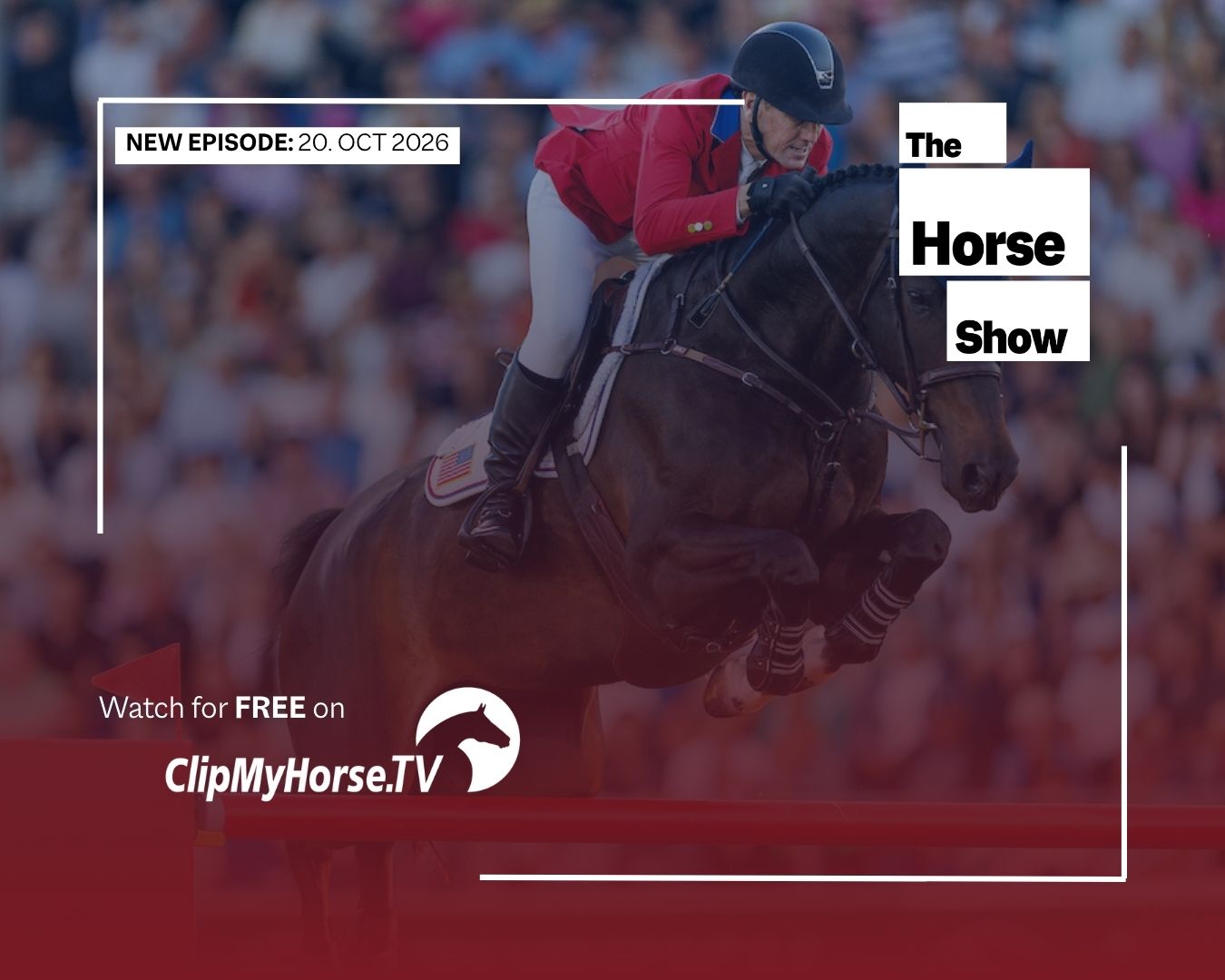
ADVERTORIAL: Am Wochenende seines 51. Geburtstags hat McLain Ward mit High Star Hero den Major-League-Grand-Prix CSI5* in Tryon mit mehr als anderthalb Sekunden Vorsprung gewonnen und erzählt in The Horse Show, wie aus einem Pferd mit Höhen und Tiefen sein Partner für die großen Tage wurde.
Es war der letzte Grand Prix der Major League Show Jumping vor der Winterpause, und Parcoursbauer Nick Granat hatte einen Kurs gestellt, der dem Starterfeld alles abverlangte. Nur sechs Paare blieben fehlerfrei, Daniel Bluman jubelte über seine Nullrunde wie über einen Sieg, und dann ritt McLain Ward ein Stechen, über das in The Horse Show, in der Frederik de Backer die aktuellsten Ereignisse im Springsport unter die Lupe nimmt, noch lange gesprochen wurde.
„I felt when we walked it, we thought it was a really challenging test“, sagte Ward. „I think in general for that level of a Grand Prix, Nick was very aware of that. And he really built what I would consider a real high standard five-star track. It was technical, there was size, a lot of solid short poles.“
Plötzlich die Nummer eins im Stall
High Star Hero war nicht von Anfang an als Spitzenpferd gesetzt. Ward hatte Anfang des vergangenen Jahres Imperial verloren, und das Pferd, das diese Lücke füllen sollte, hatte selbst eine wechselhafte Vorgeschichte.
„When I had Imperial, he was such an incredible talent that all focus was on him and everything else was secondary“, erklärte Ward. „And then he got ill and we lost him, which was pretty devastating. I think everybody has a choice in that moment.“
Dabei zog er eine direkte Parallele zu Rothchild, mit dem er einst knapp am WM-Titel vorbeischrammte. „I had had Rothchild a number of years as kind of a journeyman Grand Prix horse. And then at one moment I woke up and I said, ‚Well, this is the best horse I have.‘ And he’s a trier and a fighter and I’m a trier and a fighter. Let’s see how far we can go.“
Bei High Star Hero stand er vor derselben Entscheidung. „I didn’t receive this horse as a green horse. He was an experienced horse, but he had had some ups and downs. And there came a moment where he was the best horse I had in my stable and we were either going to choose to be average or we were going to see how far we could go. He’s an incredibly great character horse. He tries very hard. And we refined the details and have produced a great season.“
Bloß nicht stören
Studiogast Joe Clee vermutete, dass dasselbe Stechen vor einem halben Jahr noch nicht so rund ausgesehen hätte. Ward stimmte zu und beschrieb ein Pferd, das empfindlich auf jede Einwirkung kurz vor dem Sprung reagiert.
„He’s actually a very sensitive horse and you can’t do a whole lot the last three strides in front of the jump. When I first started riding him, he would every once in a while pull up if you went to do a little half-halt, a little balance too close to the fence. And it wasn’t a character issue. He didn’t understand and he overreacted.“
Seine Lösung heißt Vertrauen. „What you saw in the turn to number three is I have a lot better odds if I stay out of his way and trust his quality than try to fit an extra stride in there at the last moment. But as you both know, it’s not always easy to do. Sometimes we want to meddle with it a little bit.“
Joe Clee hatte noch während der Prüfung ins Studio geschrieben, das sei „the definition of flow state“. In der Sendung führte er aus: „Everything, every distance was there. Every T was crossed. Every I was dotted. It’s like being in a kind of dream. I know it comes down to training, it’s like muscle memory. But it’s really like it all just happened rather than you did something.“ Niels Bruynseels ergänzte: „You saw already from one to two. He came in the ring to win that class.“
Selbstkritik statt Ausreden
Auf den Abwurf am letzten Sprung in Silo Ridge eine Woche zuvor angesprochen, suchte Ward die Schuld nicht beim Pferd. „Yeah, bad riding“, sagte er. „When I went, there were 11 or 12 clear. We all know as riders that we should be in the jump-off. You start to get maybe a little cute, a little too careful. I overchecked, stood him off too far and I was very upset with myself. I was going to make sure that didn’t happen again Saturday night.“
Für Moderator Frederik de Backer genau der entscheidende Punkt: „He blames himself. It’s not the horse. That is the mindset of a champion.“
Selbst der Vorsprung von 1,6 Sekunden beeindruckte Ward wenig. „The reality is what I was probably trying to beat was coming behind me in the order, not what was in front of me“, sagte er mit Blick auf Shane Sweetnams James Kann Cruz, für ihn „the best horse in the world“, und auf Mark Bluman, „who sometimes doesn’t know any better than to try to beat you“. Und er gab eine Eigenart zu, die seine Schüler gut kennen: „I hate rollbacks. I’ll always question a rollback and tell them, I’m not sure you should turn too tight. And then at the end of the order, I go and do it myself and try to win the class.“
Motiviert und gelassen
In der aktuellen Ausgabe der englischsprachigen ClipMyHorse.TV-Show The Horse Show, in der das komplette Gespräch zu sehen ist, beschreibt Ward, wo er nach einem schwierigen Jahr steht: „I don’t want to complain because I live a very blessed life. But I find myself actually at this moment in time incredibly motivated for a variety of reasons and at the same time with the experience to be quietly confident. It’s a nice place to be mentally and competing.“
Die neue Folge hier